

Table of Contents
ToggleHow to Renew Car Tags
How to Renew Car Tags. Keeping your vehicle legally registered is one of the simplest ways to avoid traffic tickets, late fees, insurance complications, and unnecessary stress.
Whether you call them car tags, registration stickers, vehicle tabs, or license plate stickers, these documents show that your vehicle registration is current.
For many drivers, the renewal process is straightforward. However, requirements vary significantly by state. California may require a smog certification, Texas may require a vehicle inspection, and Georgia may base renewal requirements on the county where the vehicle is registered.
Drivers who have recently moved, purchased a used vehicle, or need temporary transportation paperwork may also have additional steps.
This guide explains How to renew car tags across the United States, what documents you may need, how much renewal may cost, and when online renewal is available.
It also covers temporary tags, registration stickers, license plates, state-specific rules, and practical ways to avoid delays.
What Are Car Tags?
Car tags is a common term for vehicle registration credentials. Depending on your state, car tags may include:
- A registration card
- A sticker placed on your license plate or windshield
- A plate tab showing the expiration month and year
- A temporary permit
- A permanent license plate issued by the state
In most states, drivers must renew registration annually or every two years. Some states offer longer registration periods, while others require additional inspections or emissions tests before renewal.
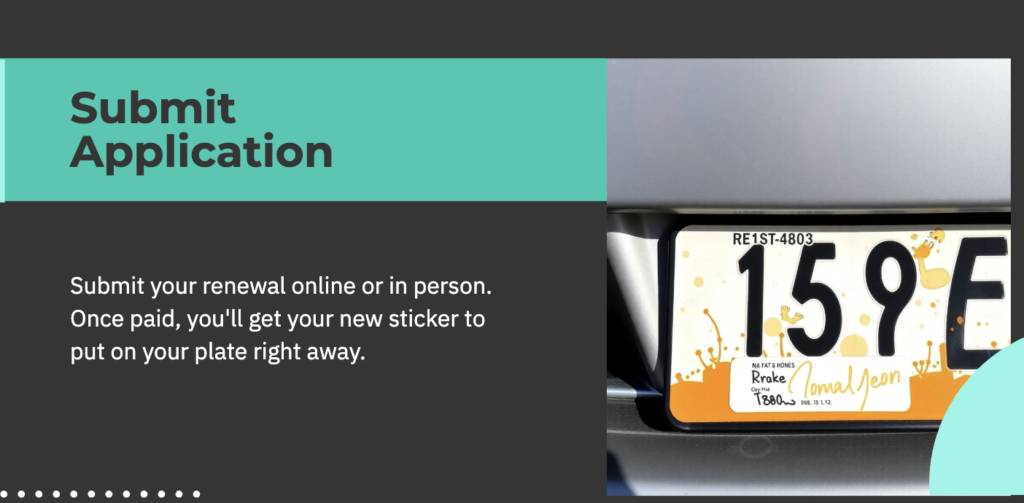
The registration sticker is usually placed on the rear license plate. A few states use windshield stickers, digital records, or other formats. Regardless of the system, the purpose is the same: to show law enforcement and other authorities that the vehicle is properly registered.
When Should You Renew Your Car Tags?
Most states send a renewal notice several weeks before the expiration date. However, you are usually responsible for remembering the deadline even if the notice never arrives.
Check the following:
- The expiration date printed on your registration card
- The month and year on your plate sticker
- Your state Department of Motor Vehicles website
- Any renewal notice mailed or emailed by your state
- Your county tax office, if your state handles registration locally
Many states allow renewal before the expiration date. Renewing early can be helpful if you are planning to travel, move, sell the vehicle, or change insurance providers.
Do not wait until the last day if your vehicle requires an inspection, emissions test, insurance verification, or county approval. A failed inspection or missing document can delay the renewal.
How to Renew Car Tags in the United States
The exact process depends on your state, but most renewals follow a similar sequence.
1. Confirm Your Registration Information
Review the information on your renewal notice or current registration card. Confirm that the following details are correct:
- Your name
- Mailing address
- Vehicle identification number
- License plate number
- Vehicle make and model
- Registration expiration date
- Insurance information, where applicable
If your address has changed, update it before renewing whenever possible. Some states send registration stickers or documents only to the address on file.
2. Complete Required Inspections
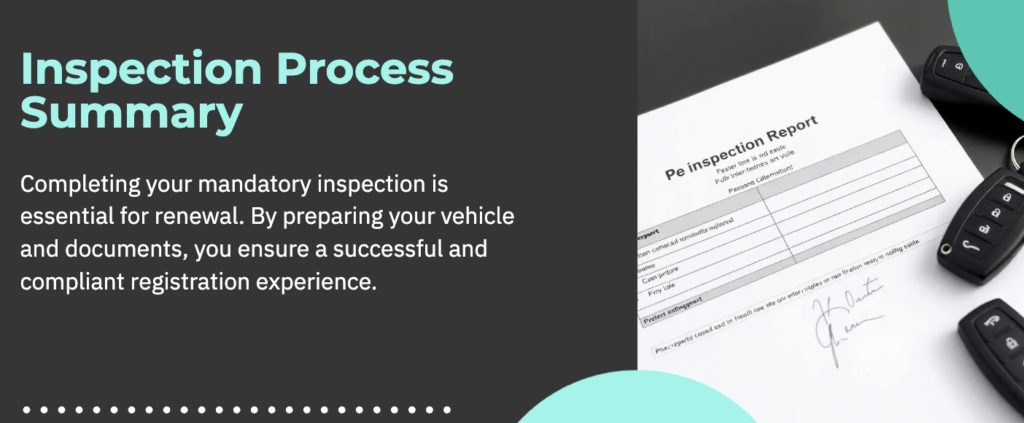
Some states require a safety inspection, emissions test, or both. This requirement may depend on:
- Your county
- The vehicle’s age
- The type of vehicle
- The vehicle’s fuel type
- The area’s air-quality rules
- Whether the vehicle is used commercially
Complete the inspection before beginning the renewal application. In many states, inspection results are transmitted electronically, but you should keep the receipt until your registration is updated.
3. Gather Your Documents
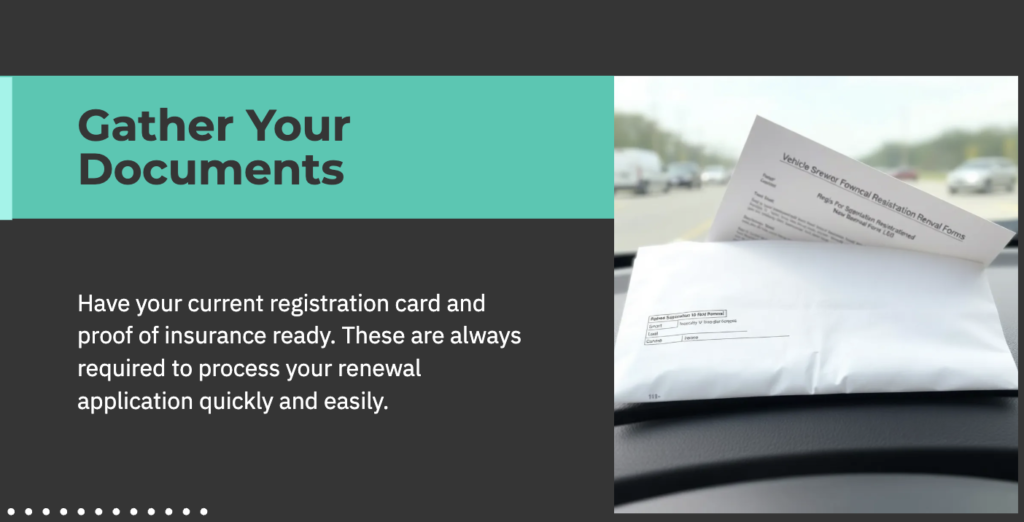
You may need:
- Current registration card
- Renewal notice
- Driver’s license or state identification
- Proof of insurance
- Vehicle inspection certificate
- Emissions test results
- Payment method
- Proof of residency
- Power of attorney, if someone else is renewing for you
Requirements are not identical nationwide. Review your state’s official motor vehicle agency instructions before submitting payment.
4. Pay the Required Fees
Your total Car tag renewal cost depends on your state and vehicle. Charges may include:
- Base registration fee
- County or local transportation fees
- Vehicle weight fee
- Property tax
- Emissions or inspection fee
- Specialty plate fee
- Online processing fee
- Late penalty
- Administrative fee
Keep your payment confirmation. It can help prove that you renewed on time if your new sticker or registration card is delayed.
5. Receive Your Registration Documents
After approval, your state may provide:
- A printable temporary receipt
- A digital registration confirmation
- A new registration card
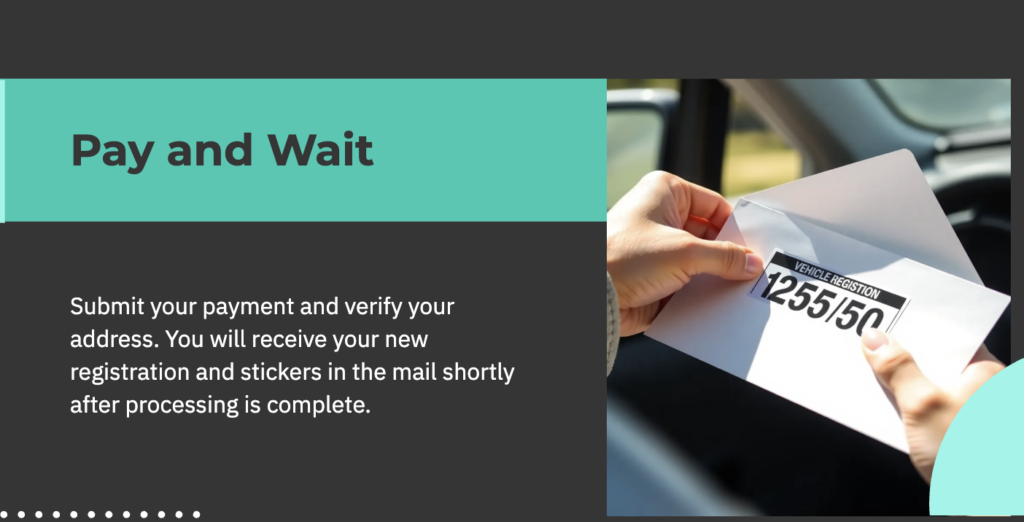
- A registration sticker by mail
- A license plate or replacement tab
If your sticker does not arrive within the expected delivery period, contact the state or county office. Avoid driving with an expired sticker simply because you are waiting for mail unless your state provides a valid temporary authorization.
Can You Renew Car Tags Online?
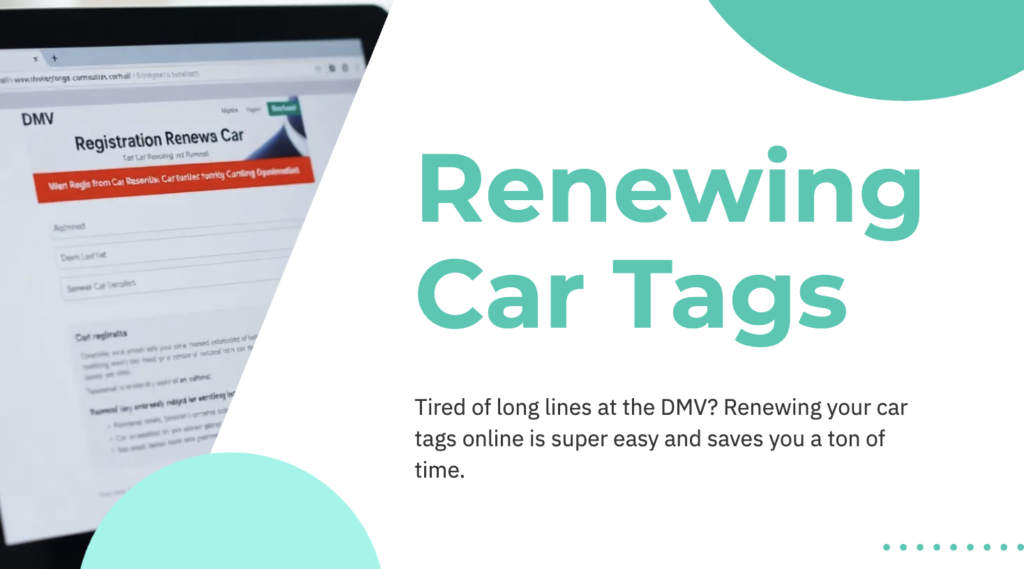
In many states, drivers can Renew car tags online through the official state DMV, Department of Revenue, Secretary of State, or county tax office website. Online renewal is often the fastest option when your information is current and no inspection issue is blocking the transaction.
Online renewal may allow you to:
- Pay by credit card, debit card, or electronic check
- Update your mailing address
- Print a temporary receipt
- Confirm insurance electronically
- Choose a specialty plate
- Track delivery of your documents
- Avoid waiting at a government office
However, online renewal may not be available if:
- Your registration has been expired for too long
- Your vehicle requires an inspection
- Your insurance cannot be verified
- Your address is not current
- Your title or ownership information has changed
- You have unpaid tolls, tickets, or taxes
- You need to change the vehicle owner
- Your vehicle is subject to a registration hold
Always use the official government website. Be cautious of third-party websites that add unnecessary service fees or look similar to government portals.
Understanding Car Tag Renewal Cost
The Car tag renewal cost is different in every state and can also vary by county, vehicle type, and registration period. A small passenger car may have a relatively predictable fee, while a heavy truck, electric vehicle, or specialty vehicle may have additional charges.
Your total cost may be based on:
Vehicle Type
Passenger vehicles, motorcycles, trailers, commercial trucks, recreational vehicles, and electric vehicles may have different fee schedules.
Vehicle Weight
Some states calculate registration fees partly by weight. Heavier vehicles may cost more because they contribute differently to road wear and transportation funding.
Location
In states with county-based registration, residents in different counties may pay different amounts. Local transportation taxes, emissions programs, and county fees can affect the total.
Plate Selection
Standard plates usually cost less than personalized, collegiate, military, charitable, or specialty plates. Some specialty plate fees support specific programs or organizations.
Late Renewal
Renewing after expiration may result in penalties. In some states, late fees accumulate over time. You may also receive a citation if you operate the vehicle after the registration has expired.
Taxes and Assessments
Certain states combine registration with local vehicle taxes. These charges may be due before your renewal can be completed.
Because fees change periodically, check the current official fee calculator before budgeting for renewal. Searching for your state’s official registration fee page is usually more reliable than relying on an old blog post or forum comment.
State-Specific Renewal Information
Although the general process is similar, state requirements can differ considerably.
California
California vehicle registration is managed by the Department of Motor Vehicles. Many vehicles must complete a smog check before renewal, although exemptions apply to certain vehicles based on age, fuel type, or other criteria.
California drivers should review:
- The renewal notice
- Smog certification requirements
- Insurance status
- County or district fees
- Registration expiration date
- Any unpaid parking citations or registration holds
California often allows eligible drivers to renew online, by mail, or at participating self-service kiosks. A renewal kiosk may print a registration card and sticker immediately, which is useful if you need proof of current registration quickly.
If you recently purchased a vehicle, transferred ownership, or moved to California, your process may be different from a standard renewal.
Texas
Texas registration generally involves a vehicle inspection before renewal. Depending on the vehicle and county, the inspection may include safety and emissions requirements.
Texas drivers should check:
- Whether the vehicle inspection is current
- Whether insurance verification is available electronically
- County-specific fees
- The renewal deadline
- Any outstanding citations or holds
Texas commonly provides online renewal options for eligible vehicles. Some counties may also offer additional processing services through local tax offices.
Georgia
Georgia vehicle registration is often handled through the county tag office or county tax commissioner. Renewal requirements can vary depending on the county and the vehicle owner’s circumstances.
Georgia drivers may need to consider:
- Emissions testing in qualifying metropolitan counties
- Insurance verification
- County registration fees
- Specialty plate charges
- Address updates
- Renewal deadlines
Some Georgia residents can use online services, while others may need to visit a county office. If your county has an emissions requirement, complete that test before submitting the renewal.
Other States
Across the rest of the country, procedures may be managed by a DMV, Department of Revenue, Secretary of State, motor vehicle division, or county office.
Examples include:
- Florida, where registration may be renewed online or through tax collector offices
- New York, where insurance and inspection status can affect renewal
- Arizona, where emissions testing may apply in certain areas
- Virginia, where safety and emissions rules can depend on location
- Illinois, where online renewal is available for many eligible vehicles
- Pennsylvania, where registration and inspection requirements should be checked separately
The best approach is to search for your state’s official motor vehicle registration renewal page and follow the most current instructions.
License Plates, Registration Stickers, and Vehicle Tabs
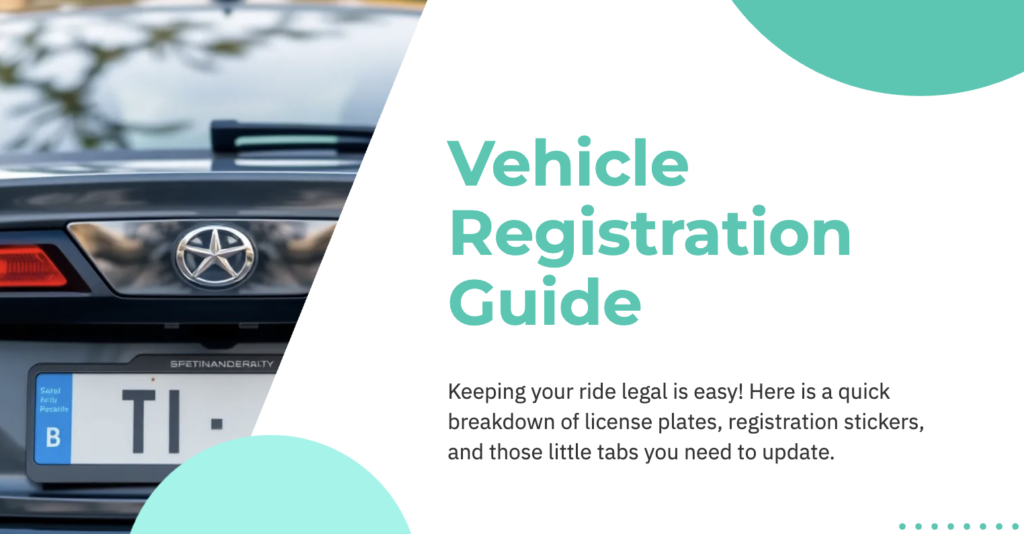
Many drivers use license plate renewal and car tag renewal interchangeably, but the state may treat them as separate items.
Your license plate identifies the vehicle. Your registration confirms that the vehicle is legally authorized for use on public roads. The sticker or tab generally shows that the registration is current.
Depending on your state, you may:
- Keep the same plate and receive a new sticker
- Receive a new plate after a certain number of years
- Receive a replacement sticker
- Use a windshield decal instead of a plate sticker
- Display a temporary paper tag while waiting for permanent materials
Do not place a new sticker over an old sticker unless your state specifically instructs you to do so. Some jurisdictions require old stickers to be removed, while others provide different placement rules.
If your plate is damaged, stolen, illegible, or lost, renewal alone may not solve the problem. You may need to request replacement plates or a replacement registration sticker.
Temporary Tags After Buying a Vehicle
Temporary tags are especially important for people who have recently purchased a vehicle. A temporary permit allows you to drive legally while the title, registration, license plates, or financing paperwork is processed.
You may need a temporary tag when:
- Buying from a private seller
- Purchasing from a dealership
- Moving a vehicle across state lines
- Waiting for title paperwork
- Transferring ownership
- Bringing a newly purchased vehicle to an inspection station
Temporary tag rules vary widely. Some states issue permits through dealerships, while others require the buyer to apply through a DMV or county office.
A temporary tag usually has:
- An expiration date
- A permit number
- Vehicle details
- Issuing authority information
- Restrictions on use
Do not assume a temporary tag can be extended automatically. If the permanent registration is delayed, contact the issuing authority before the temporary permit expires.
What If Your Registration Has Already Expired?
If your tags are expired, act quickly. Continuing to drive may lead to:
- Traffic citations
- Late fees
- Vehicle impoundment in serious cases
- Insurance complications
- Problems during a traffic stop
- Difficulty selling or transferring the vehicle
Some states allow online renewal shortly after expiration. Others require an in-person visit, proof of insurance, inspection, or payment of additional penalties.
Before driving to an office with expired tags, check whether your state offers a temporary movement permit. This may allow you to drive directly to an inspection station or registration office.
Common Reasons Renewal Is Rejected
A renewal application may be delayed or rejected because of:
- Missing insurance
- Failed emissions testing
- Unpaid parking tickets
- Unpaid tolls
- Incorrect address
- Expired identification
- Unresolved title problems
- Incomplete ownership transfer
- VIN discrepancies
- Registration holds
- Payment processing errors
If the online system does not explain the problem, contact the relevant state or county office. Keep screenshots, confirmation numbers, receipts, and email notices related to your application.
Tips for a Smooth Renewal
A few simple habits can make renewal easier:
- Set a calendar reminder 60 days before expiration.
- Check whether your state requires inspection.
- Confirm your mailing address early.
- Keep insurance active and up to date.
- Use the official government website.
- Renew before the final week whenever possible.
- Save digital and printed payment confirmations.
- Check your plate and sticker for damage.
- Avoid driving after expiration without valid authorization.
- Verify the delivery address before submitting payment.
My personal recommendation is to renew at least two weeks before the deadline, even if your state offers a simple online process. This gives you time to fix an insurance mismatch, complete an inspection, or contact the office if your paperwork is delayed.
Frequently Asked Questions
How often do I need to renew my car tags?
Most states require annual or biennial renewal, but the schedule varies. Check your registration card or official renewal notice for the exact expiration date.
Can I renew without a renewal notice?
Often, yes. Many states allow you to renew using your license plate number, VIN, title information, or personal identification. However, some services may require information printed on the notice.
How much does renewal usually cost?
The Car tag renewal cost depends on your state, county, vehicle type, weight, plate selection, taxes, and late fees. Use the official state fee calculator for the most accurate amount.
Can I renew if my vehicle inspection is expired?
Usually, you must complete the required inspection first. Some states transmit results electronically, while others require you to provide a certificate.
Can I renew car tags online if I moved?
You may be able to do so, but update your address first. Some states require a separate address change before renewal.
How long does it take to receive a new sticker?
Delivery times vary. Online systems may provide a printable receipt immediately, while the physical registration sticker may arrive in several business days or weeks.
Can I drive with an expired registration sticker?
Generally, you should not. Some states provide a grace period, but it may apply only to late fees and not to enforcement. Confirm the rule with your state authority.
What should I do if my temporary tag expires?
Contact the dealership, DMV, county office, or issuing agency before the expiration date. Ask whether an extension or temporary movement permit is available.
Is a registration sticker the same as a license plate?
No. A license plate identifies the vehicle, while the registration sticker or tab shows that the registration is current. Some states combine or display these credentials differently.
Is it safe to use a third-party renewal website?
Be cautious. Third-party websites may be legitimate but often charge extra service fees. Use your state’s official website when possible.
Final Checklist
Before completing your renewal, confirm that you have:
- The correct renewal deadline
- A current insurance policy
- Any required inspection or emissions test
- Your license plate number
- Your VIN, if requested
- A valid payment method
- An updated mailing address
- Proof of submission
- A plan for displaying the new sticker or permit
Renewing vehicle registration does not have to be complicated. Once you understand your state’s requirements, you can usually complete the process online, by mail, at a kiosk, or through a local office.
The key is to start early, verify your documents, and use official information. Whether you need permanent registration, new license plates, a replacement sticker, or a temporary tag, taking care of the paperwork before the deadline helps keep your vehicle legal and your driving experience stress-free.